Material matters
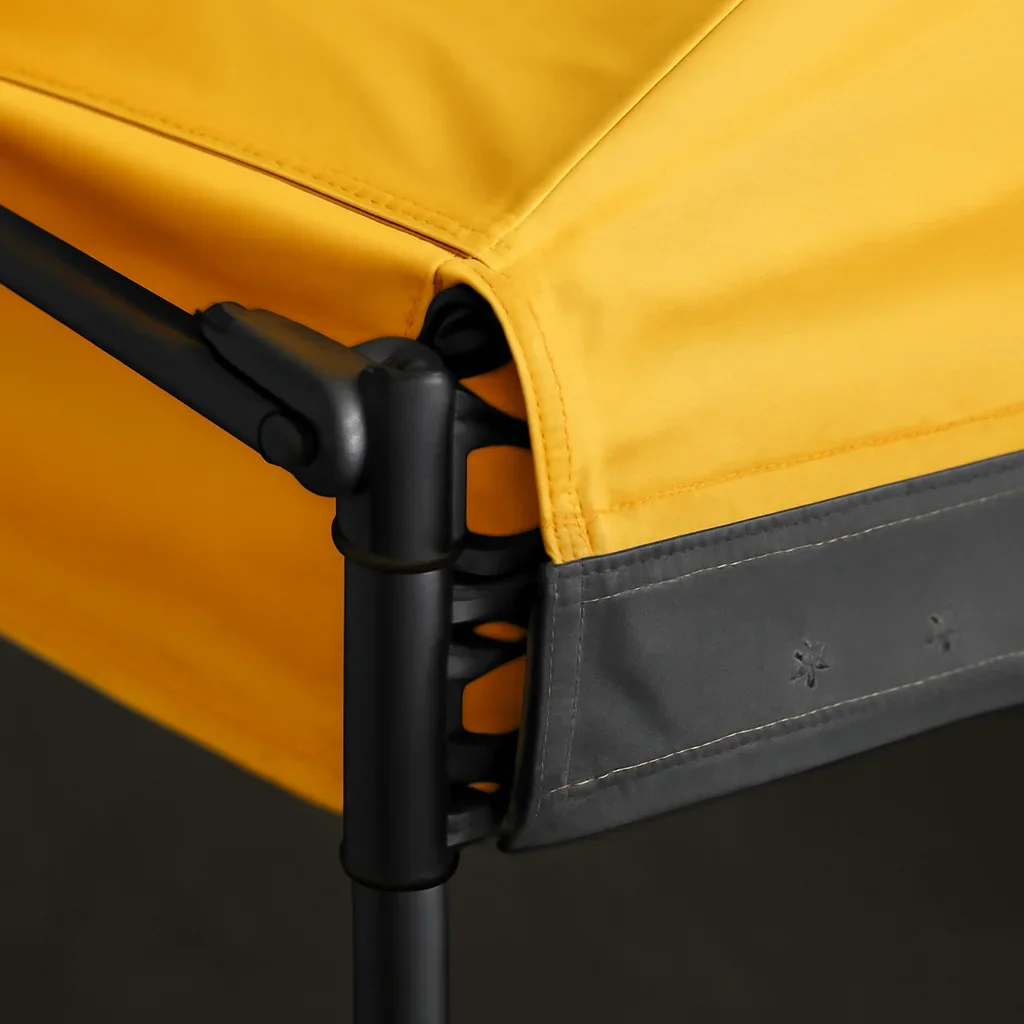
Coated fabrics and weather-focused construction help when the canopy may see wet conditions.

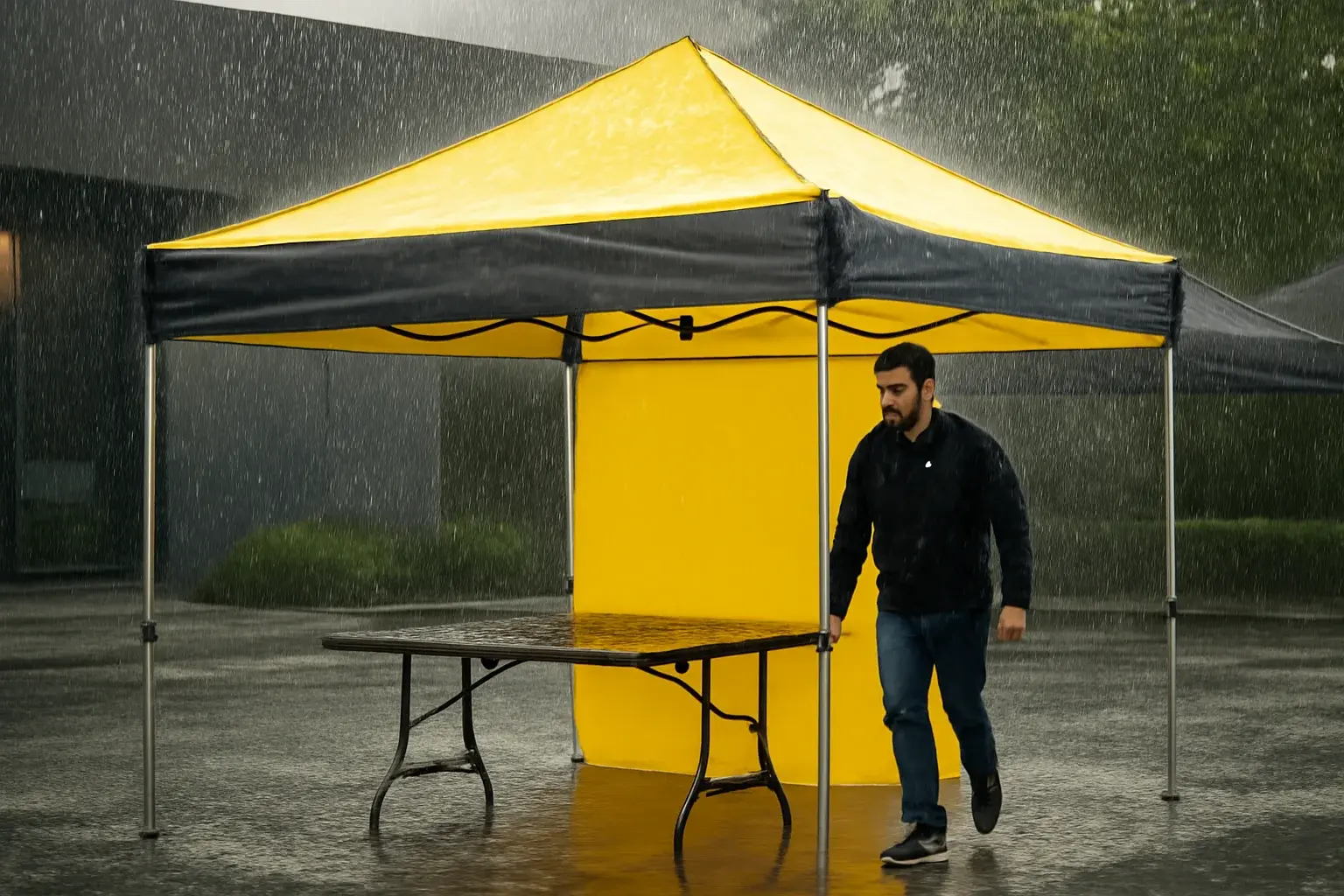
Waterproof canopy tents are usually part of a bigger conversation about weather readiness. Fabric performance matters, but so do setup angle, drainage, sidewalls, ground conditions, and the way the canopy is managed before and during rain.
Features should solve a practical problem in the field. The best choice depends on how the canopy will actually be used.
Coated fabrics and weather-focused construction help when the canopy may see wet conditions.
A tent can underperform in rain if it is not tensioned, supported, or positioned correctly.
Walls, weight planning, and the site surface all shape how the setup behaves in bad weather.
Buyers sometimes focus on one word such as waterproof and miss the bigger issue: the tent needs to stay manageable and useful when weather changes. That means considering the roof, the wall configuration, the anchoring plan, and how water will move away from the setup.
See sidewall options, weights, and safe setup guidance if wet conditions are a frequent concern.
Once the feature supports the workflow, not just the appearance, it becomes much easier to justify.
Useful when weather may shift and the canopy still needs to stay presentable.
A weather-aware setup protects workflow and the customer experience.
Teams working outdoors regularly should treat weather planning as part of the buying decision.
These are the questions buyers often ask before they add feature upgrades to the package.
No. Material performance is important, but the full setup plan matters just as much.
Sidewalls can help, but they need to be matched to airflow, access, and stability planning.
Look at materials, wall options, weight support, and the event conditions together.
Tell us how the tent will be used, what kind of conditions it will face, and whether branding or transport is part of the decision. We will help you decide if this feature adds meaningful value to the setup.